The signs of fleas on dogs are easy to miss until the itching, scratching, and tiny black specks in the coat become impossible to overlook. Northern Utah’s dry climate keeps flea populations lower than in humid regions, but it doesn’t make dogs immune. Knowing what to look for, and catching it early, makes treatment faster and far less stressful for your dog, and cuts down the odds of dealing with an infestation in your home too.
7 Signs Your Dog Has Fleas
The clearest signs of fleas on dogs are constant scratching, small dark specks in the fur known as flea dirt, hair loss, red bumps, restlessness, visible fleas, and in severe cases, pale gums caused by blood loss.
1. Constant Scratching, Biting, or Licking
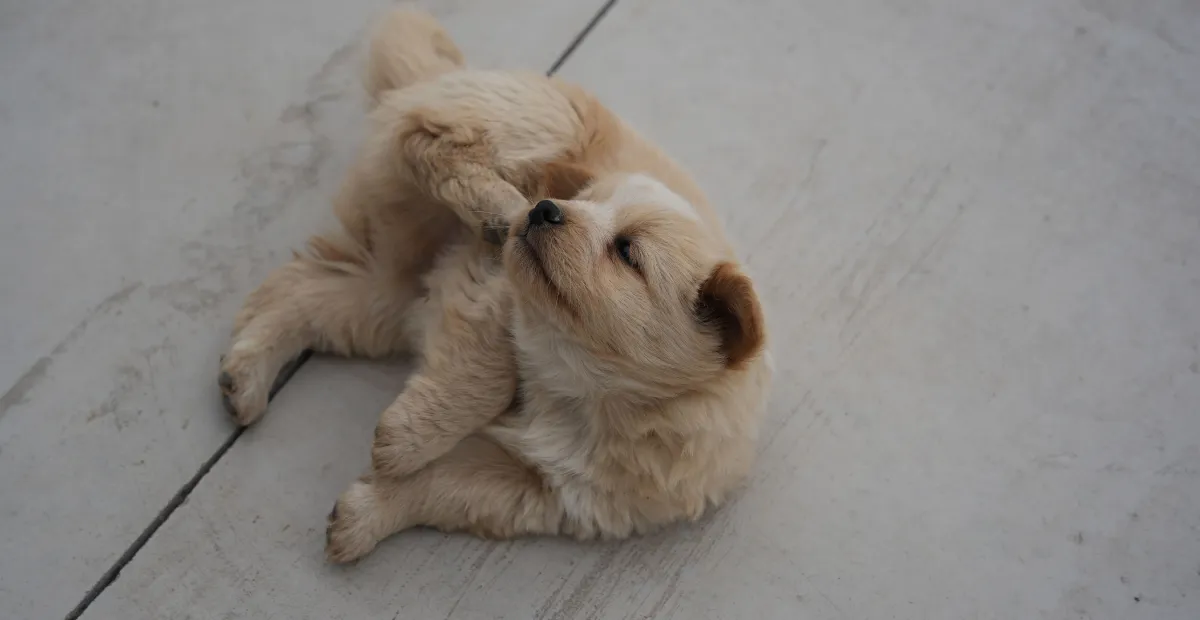
Frequent scratching, biting at the skin, or licking one spot over and over is usually the first sign owners notice. Fleas bite to feed, and their saliva triggers itching in most dogs. Some dogs are especially sensitive to flea saliva, a condition called flea allergy dermatitis, which can cause an outsized reaction to just one or two bites, according to the Cornell University College of Veterinary Medicine.
2. Flea Dirt in the Coat
Flea dirt looks like small black or reddish-brown specks scattered through the fur, most often near the base of the tail, along the back, or on the belly. It’s technically flea feces, made up of digested blood. The American Kennel Club recommends brushing a bit onto a damp paper towel: real flea dirt turns reddish-brown as it rehydrates, while ordinary dirt won’t change color.
3. Hair Loss and Raw, Red Hot Spots
Patches of missing fur or raw, irritated skin, especially near the tail, groin, or hind legs, often point to a flea problem. Repeated scratching breaks down the skin’s surface, which can lead to hot spots or secondary infection if it goes untreated for long. Dogs with thick or double coats can hide this damage longer, so it’s worth parting the fur to check the skin directly rather than judging by the coat alone.
4. Small Red Bumps or a Rash
Tiny raised red bumps, sometimes clustered into a rash, are a common reaction to flea bites. In dogs with flea allergy dermatitis, this reaction can be much more intense, turning a handful of bites into a swollen, inflamed patch of skin.
5. Restlessness and Agitation
A dog that seems unusually fidgety, unable to settle, or restless at night may be reacting to the discomfort of flea bites rather than anything behavioral. This is often one of the more subtle signs, since it’s easy to mistake for a bad night’s sleep or general anxiety.
6. Visible Fleas Moving in the Fur
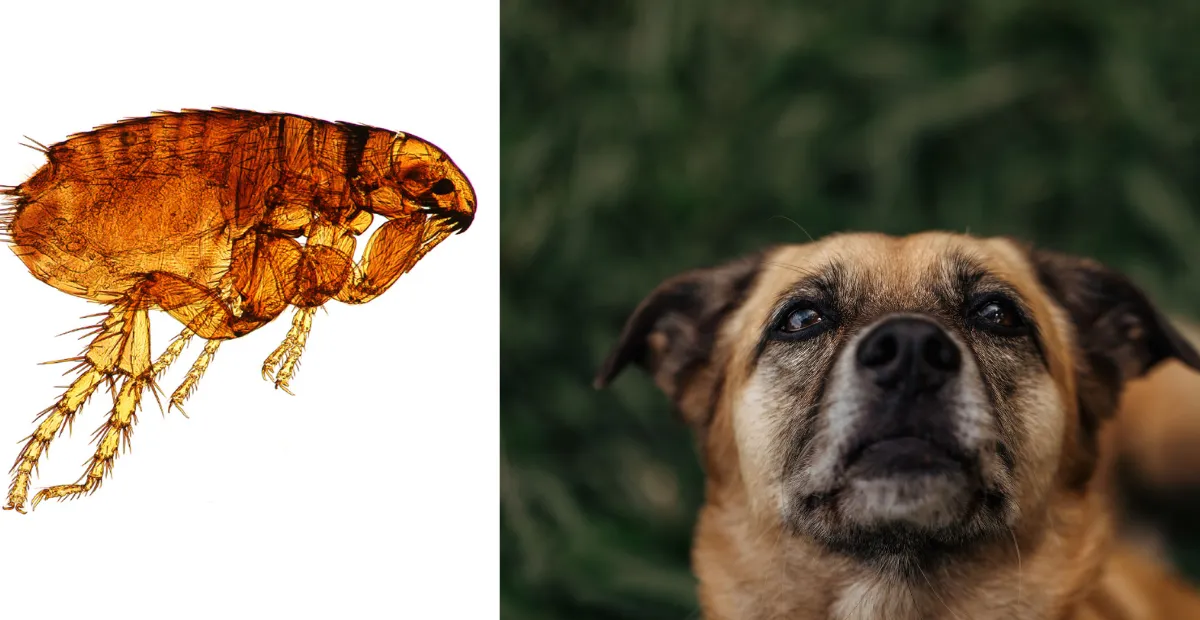
Adult fleas are small, dark, fast-moving insects that are easiest to spot on the belly, around the neck, or at the base of the tail. They jump quickly, so not seeing one on a quick glance doesn’t rule out an infestation. A flea comb catches far more than the eye alone.
7. Pale Gums (A Sign of Anemia)
Pale or whitish gums can signal anemia from a heavy flea infestation and call for an immediate vet visit. Fleas feed on blood, and puppies, senior dogs, and smaller breeds are at higher risk of losing enough blood for this to become a real concern, per PetMD.
Why Northern Utah’s Dry Climate Doesn’t Mean Your Dog Is Flea-Free
Ogden’s arid, high-desert climate makes it harder for fleas to build large populations compared to humid regions, but it doesn’t eliminate the risk. Flea activity in most of the western US tends to run from spring through fall, slowing down once temperatures consistently drop below around 45°F.
That said, fleas still find ways in. They hitch rides on wildlife like raccoons and squirrels, turn up in shaded yards and dog parks, and can appear after an unexpected wet spell. Dogs that spend a lot of time outdoors, including on local dog-friendly trails near Ogden, have more contact with the wildlife and shared spaces where fleas tend to originate.
Heated homes add another layer to consider. Even during a cold Ogden winter, an indoor infestation can keep going, since fleas in their egg, larva, and pupa stages can survive far longer than adults exposed to outdoor cold.
For most Ogden dog owners, this means the highest-risk window runs from early spring through the first hard frost of fall, with extra caution warranted after wet or unusually mild stretches. A year-round preventative removes the guesswork, since it protects your dog whether the current infestation risk is high or low.
How to Check Your Dog for Fleas at Home
The most reliable way to check for fleas at home is combing your dog’s coat with a fine-toothed flea comb over a light-colored towel.
- Focus on the neck, base of the tail, belly, and hind legs, where fleas tend to hide.
- Comb slowly and check the comb’s teeth for small dark specks or moving insects.
- Wet any dark specks you find. Flea dirt turns reddish-brown as the dried blood rehydrates, while regular dirt won’t.
- Repeat the check over a few days if the first pass comes up clean but the itching continues, since fleas can be inconsistent to catch on the first try.
A one-on-one grooming session is another good opportunity to catch fleas early. Groomers spend extended, hands-on time in your dog’s coat and often spot early signs before an owner would at home.
What to Do If You Find Fleas on Your Dog
If you confirm fleas, treating your dog and your home at the same time gives you the best chance of resolving the problem quickly.
- Call your vet for a treatment recommendation matched to your dog’s age, weight, and health history.
- Wash bedding and vacuum carpets, furniture, and any spot your dog rests often.
- Keep your dog on a vet-approved preventative year-round, even through Ogden’s cooler months, since indoor heat can keep a lingering infestation alive.
- Expect to repeat home treatment over several weeks, since flea eggs and larvae already in your carpet or bedding will keep hatching for a while after the adults are gone.
- If your dog spends time in daycare or boarding, ask what flea and vaccination requirements are in place, since shared spaces call for extra prevention on everyone’s part.
When choosing a daycare provider in Ogden, it’s worth asking whether they check for flea prevention before intake. It’s a small question that says a lot about how seriously a facility takes everyone’s health, not just your dog’s.
FAQ
Can dogs get fleas in Utah during winter?
Yes, though it’s less common than in warmer months. Adult fleas slow down and struggle to survive once outdoor temperatures consistently drop below about 45°F, but eggs, larvae, and pupae can survive much longer. Heated homes create a warm enough environment for an existing infestation to continue through winter.
What does flea dirt look like on a dog?
Flea dirt looks like small black or reddish-brown flecks scattered through the coat, similar to ground pepper. It’s digested blood, so the easiest way to confirm it is to wet a bit on a damp white towel and watch it turn reddish-brown.
Are fleas contagious to other pets or humans?
Fleas move between pets in the same household fairly easily, and while they prefer animal hosts, they can bite humans too, especially during a heavy infestation. Treating every pet in the home at the same time helps prevent fleas from bouncing back and forth.
How fast can a flea infestation spread through a home?
Quickly. A single female flea can lay dozens of eggs a day, and those eggs fall off your dog wherever they go. A small number of fleas can turn into a home-wide problem within a couple of weeks if it isn’t addressed early.
Can indoor-only dogs get fleas?
Yes. Fleas don’t need your dog to go outside to get inside your home. They travel in on other pets, on shoes and clothing, or through visitors and their pets, so indoor-only dogs are still at risk, just a somewhat lower one than dogs with regular outdoor access.
Stop By Anytime, No Appointment Needed
👉 If you’ve spotted flea dirt or a stubborn hot spot, your vet is the right first call for diagnosis and treatment. Idlewire Pet Care is open 7 days a week in South Ogden, and our groomers check for flea activity as part of every visit. Book online here or call (801) 479-3000 with any questions.